Emergency storm garden repairs Wallington fast response gardeners
When a storm tears through a garden, the mess can feel strangely personal. One minute the space looks familiar; the next, there are snapped branches, bent fence panels, soaked lawn edges, broken trellis and a patio covered in debris. If you need Emergency storm garden repairs Wallington fast response gardeners, the priority is simple: make the garden safe, stop the damage getting worse, and get it back into usable shape as quickly as possible.
This guide explains what fast-response storm garden repair usually involves, how it works in practice, what to ask for, and which fixes should be handled first. It also covers local considerations, common mistakes, practical checks, and the kinds of services that often sit alongside emergency repairs, from fencing to tree surgery and garden clearance. Truth be told, after a rough night of wind and rain, people rarely want a lecture. They want calm, clear help. That is what this article is here for.
Table of Contents
- Why Emergency storm garden repairs Wallington fast response gardeners Matters
- How Emergency storm garden repairs Wallington fast response gardeners Works
- Key Benefits and Practical Advantages
- Who This Is For and When It Makes Sense
- Step-by-Step Guidance
- Expert Tips for Better Results
- Common Mistakes to Avoid
- Tools, Resources and Recommendations
- Law, Compliance, Standards, or Best Practice
- Options, Methods, or Comparison Table
- Case Study or Real-World Example
- Practical Checklist
- Conclusion
- Frequently Asked Questions
Why Emergency storm garden repairs Wallington fast response gardeners Matters
Storm damage in a garden is not only about appearances. A fallen limb can block access, a leaning fence can become unstable, and loose materials can turn into hazards in the next gust of wind. In a typical Wallington garden, with narrow side access, shared boundaries, patios, decking, sheds and mature planting all packed quite close together, even a small amount of storm damage can quickly become awkward.
The urgency often comes from three places. First, safety. Broken branches, unstable trees, cracked fence posts and slipping surfaces can injure people or pets. Second, further damage. Water gets into exposed soil, wood, and structural joints, then the problem spreads. Third, everyday disruption. A back gate that will not close or a path covered in debris can make a normal day feel surprisingly complicated.
There is also the stress factor, which people often underestimate. After heavy rain and strong wind, you may walk outside and see a garden that looks, frankly, a bit battered. The job of a fast-response gardener is to cut through that overwhelm and deal with the obvious priorities first. Not everything must be fixed at once, but the dangerous parts should be handled without delay.
Expert summary: emergency storm repairs work best when the response is practical, fast, and ordered by risk: make safe first, clear access second, then repair or replace the damaged elements that matter most.
If you are comparing service options, it helps to look at whether the provider can also support follow-on work such as landscaping, lawn care, or patio cleaning. That matters because storm damage rarely stops at one broken item. It tends to ripple outward.
How Emergency storm garden repairs Wallington fast response gardeners Works
Fast-response storm garden repair usually starts with a quick assessment. A good gardener or outdoor maintenance team will look for immediate hazards, then decide what can be secured, removed, propped, cut back, or made temporary until a fuller repair can happen. It is not glamorous work. It is sensible work.
In practice, the process often follows a pattern like this:
- Initial call or enquiry. You describe the damage, what has fallen, what looks unsafe, and whether access is blocked.
- Rapid triage. The gardener prioritises risks such as hanging branches, leaning fences, exposed nails, shattered panels, and unstable structures.
- On-site inspection. Once on site, they check the wider garden, because storm damage is often more extensive than it first looks.
- Make-safe actions. This may include clearing debris, cutting back loose growth, stabilising a boundary, or isolating a damaged area.
- Repair plan. The gardener explains what can be repaired now and what needs a later visit or specialist attention.
- Clean-up and follow-through. Debris is removed, the area is left safe, and any next steps are arranged.
That sequence sounds straightforward, but the judgement behind it matters a lot. A snapped branch that looks minor can be deceptively heavy. A fence panel may appear fixable, yet the post could be rotten or the base disturbed by saturated soil. Storm water can also reveal older issues you had not seen before. To be fair, that is often when people realise the garden had been coping rather than thriving.
For more routine upkeep after the emergency is over, a visit to garden maintenance can help keep smaller issues from becoming bigger ones. That is the boring answer, but it saves headaches later.
Key Benefits and Practical Advantages
The main benefit of a fast response is obvious: reduced risk. But there are several practical advantages that are worth spelling out because they affect what happens over the next day, week, and month.
- Safer access: paths, gates, side returns, and patio areas can be cleared so people can move around without stepping over hazards.
- Less secondary damage: removing broken material quickly can stop it from damaging lawns, beds, decking, or structures nearby.
- Better recovery of the garden: plants, turf, and borders often bounce back better when damaged material is managed early.
- Clearer decision-making: once the immediate mess is under control, it is easier to judge whether something needs repair, replacement, or specialist care.
- Peace of mind: even a small make-safe job can take a lot of pressure off, especially if you have children, pets, or elderly relatives using the space.
Another advantage people forget is time. An emergency visit can prevent a small repair from turning into a multi-trade problem. For example, a loose fence panel can strain adjacent posts, which in turn can affect a gate latch, a bed edge, or a planted border. Catch it early and the work stays simpler. Miss it, and the job gets messier. Simple as that.
If a storm has also flattened hedges or scattered green waste everywhere, services like hedge trimming and garden clearance are often the natural next step after the urgent safety work. They are not the emergency itself, but they help restore order properly.
Who This Is For and When It Makes Sense
Emergency storm garden repairs make sense for a lot of households and property types, not just one-off dramatic events. If you have any outdoor area that can be damaged by wind, fallen branches or heavy rain, this kind of service may be relevant.
It is especially useful for:
- homeowners with damaged fences, gates, shrubs, turf, decking or patios
- landlords who need to reduce risk before tenants return or use the garden
- families with broken access routes or hazards near play areas
- older residents who may not be able to clear heavy debris safely
- properties with mature trees or overhanging branches near boundaries
- busy people who simply cannot spend a Saturday wrestling wet branches into bin bags
There are also situations where the answer is not a full emergency, but a prompt visit is still sensible. For example, if a fence is standing but loose, you may not need a major rebuild that same hour, yet you do need the area checked before the next wind picks up. If a tree has dropped smaller limbs but the main structure looks intact, a gardener may clear and assess first, then advise on whether a specialist tree visit is needed.
That split between urgent, soon, and later is useful. Not every storm issue is a crisis. But ignoring all of them? That is where the trouble starts.
Step-by-Step Guidance
If you are dealing with storm damage right now, the following steps will help you stay calm and make practical decisions before help arrives.
- Stay away from obvious hazards. Do not stand under hanging branches or poke at unstable structures. It sounds obvious, yet people do it anyway when they are stressed.
- Look, do not over-handle. Check from a safe distance. Note what is damaged, where it is, and whether access is blocked.
- Decide what is urgent. Ask yourself: is anyone at risk, is water entering somewhere vulnerable, or is the garden unusable because of the damage?
- Gather a few simple details. A quick photo, a rough description, and whether there is side access can help the gardener plan the visit.
- Contact a fast-response team. Explain that the issue is storm-related and say clearly if something is leaning, loose, or partially collapsed.
- Keep pets and children clear. Even small broken items can shift underfoot, especially after more wind or rain.
- Agree the priority order. Make-safe work first, repair second, tidy-up last. That order saves time and confusion.
- Book follow-on work if needed. Some jobs need a second visit for replacements, deeper repair, or specialist work such as fencing or tree lopping and removal.
A small aside: if you have ever tried to drag a wet, storm-snap shrub through a side gate, you will know it is not a job for optimism alone. It is muddy, awkward, and rarely as simple as it looks from the kitchen window.
Expert Tips for Better Results
Over the years, the best storm repairs tend to follow a few habits. Nothing fancy. Just sensible, repeatable decisions.
- Prioritise the structure, not the tidy-up. A clean garden is nice, but a secure one is essential.
- Check boundaries carefully. Storm damage often appears first on shared fences, back access paths, and corners where wind funnels through.
- Ask what can be made safe temporarily. Sometimes a short-term fix buys time and avoids rushing into a poor permanent decision.
- Do not assume all tree issues are the same. Some jobs are pruning-level tasks; others need proper tree surgery because the stem, crown, or root zone may be compromised.
- Keep drainage in mind. Waterlogged soil can make posts shift, borders slump, and lawns tear more easily when walked on.
- Consider the finish after the emergency. If the storm has left the whole space looking worn, a more complete tidy-up may include lawn mowing, patio cleaning, or a broader refresh through gardening services.
One practical tip that saves real time: keep side access clear where possible. A garden full of bins, bikes, stacked timber or plant pots makes emergency work slower and more awkward. Even a little clearing before the crew arrives can make a difference. Not dramatic, just helpful.
If you are planning ahead for future weather, having a relationship with a trusted local team matters. It means the people arriving already understand the layout, the access, and the sort of garden you have. That familiarity is worth quite a lot when the weather is miserable and the daylight is fading at 4pm.
Common Mistakes to Avoid
Storm recovery goes badly when people rush, guess, or try to save a bit of money by handling risky work themselves. That is the honest version.
- Touching unstable trees or branches. What looks loose can shift suddenly. If in doubt, keep away.
- Rushing to replace broken items before the cause is fixed. A new fence panel means little if the post base is still unstable.
- Ignoring hidden damage. Cracks in decking supports, disturbed edging, or soft soil around posts can be easy to miss.
- Using a quick cosmetic fix where a structural repair is needed. It may look fine for a week, then fail again in the next blow.
- Forgetting about neighbours. Shared boundaries and overhanging material can become a joint issue, so communication helps.
- Leaving wet debris in place too long. It can stain patios, smother lawn areas, and create slippery patches.
Another common mistake is waiting for perfect weather before doing anything. Fair enough, nobody wants to work in cold rain if they can avoid it. But safety checks and make-safe work should not be delayed just because the day is gloomy. The aim is not perfection on the first visit. The aim is control.
Tools, Resources and Recommendations
A well-prepared emergency gardener usually turns up with equipment suited to clearing, cutting, securing, and tidying storm damage safely. The exact kit varies, but the needs are usually similar.
| Task | Useful approach | Why it matters |
|---|---|---|
| Clearing broken branches | Cut into manageable lengths and remove in stages | Safer handling and less strain on plants and structures nearby |
| Fence make-safe work | Stabilise or remove loose panels before full repair | Reduces wind movement and prevents further damage |
| Tree-related hazards | Inspect from a safe distance and escalate if structural damage is suspected | Some issues need specialist tree care rather than simple pruning |
| Surface clean-up | Use careful sweeping, lifting and wash-down where appropriate | Stops mud, leaves and grit from becoming slippery or stained |
| Post-storm recovery | Plan follow-on maintenance and replanting if needed | Helps the garden recover instead of just looking patched up |
For many households, the most useful services after the initial emergency are surprisingly ordinary ones: garden maintenance, lawn care, and, where boundaries have been hit hard, fencing. Ordinary, yes. But after a storm, ordinary is welcome.
If you are comparing providers, also pay attention to practical trust signals. The team should be clear about insurance and safety, explain how they work around hazards, and be comfortable discussing what is temporary and what is permanent. You can review the approach to insurance and safety and the company's health and safety policy before you book. That sort of transparency matters, especially after a rough weather event when urgency can tempt people to skip the basics.
Law, Compliance, Standards, or Best Practice
Storm garden repair is not usually a highly regulated service in itself, but sensible UK best practice still applies. Anyone carrying out work should act safely, avoid unnecessary risk, and communicate clearly about hazards. If trees are involved, especially larger ones or those close to buildings, it is wise to treat the work cautiously and use the right level of expertise.
Good practice generally includes:
- checking for immediate danger before starting work
- not exposing people, pets, or neighbours to avoidable risk
- using suitable personal protective equipment where needed
- discussing access, waste removal, and disposal before the job begins
- being clear about whether work is a temporary make-safe or a permanent repair
- keeping an eye on property boundaries and shared structures
Waste handling also deserves a mention. Storm debris, cut branches, soil, damaged timber, and old panels should be dealt with responsibly. For many customers, it helps to choose a provider that considers recycling and sustainability rather than sending everything to waste without thought. Not every item can be reused, of course, but there is usually some room for a more responsible approach.
If the repair work involves new installations or heavier rebuilding, the provider should also be clear about terms and payment expectations. A straightforward read of terms and conditions and payment and security information can prevent unpleasant surprises later. Nobody wants admin drama after a storm. Life is too short.
Options, Methods, or Comparison Table
Not every storm-damaged garden needs the same response. Sometimes a quick clean-up is enough. Sometimes the issue sits deeper, especially with fences, trees, or soaked ground. Here is a simple comparison that may help you decide what kind of help to request.
| Approach | Best for | Strengths | Limitations |
|---|---|---|---|
| Emergency make-safe visit | Loose branches, blocked access, unstable panels, obvious hazards | Fast, focused, reduces immediate danger | May not complete all repairs in one go |
| Repair-only visit | Damage already made safe, but broken items need fixing | Good for straightforward restoration work | Not ideal if hazards are still present |
| Full clearance and restoration | Widespread debris, multiple damaged areas, neglected post-storm mess | Thorough, leaves the garden properly reset | Takes longer and may cost more than a single urgent visit |
| Specialist tree or structural follow-up | Tree instability, major boundary failure, or severe impact damage | Handles complex risk more appropriately | Usually not needed for minor debris or simple tidy-up jobs |
Choosing the right option comes down to one question: what needs to be safe today, and what can wait until later? If you answer that honestly, the decision becomes much easier. And yes, that answer may change after the gardener has seen the site. That is normal.
Case Study or Real-World Example
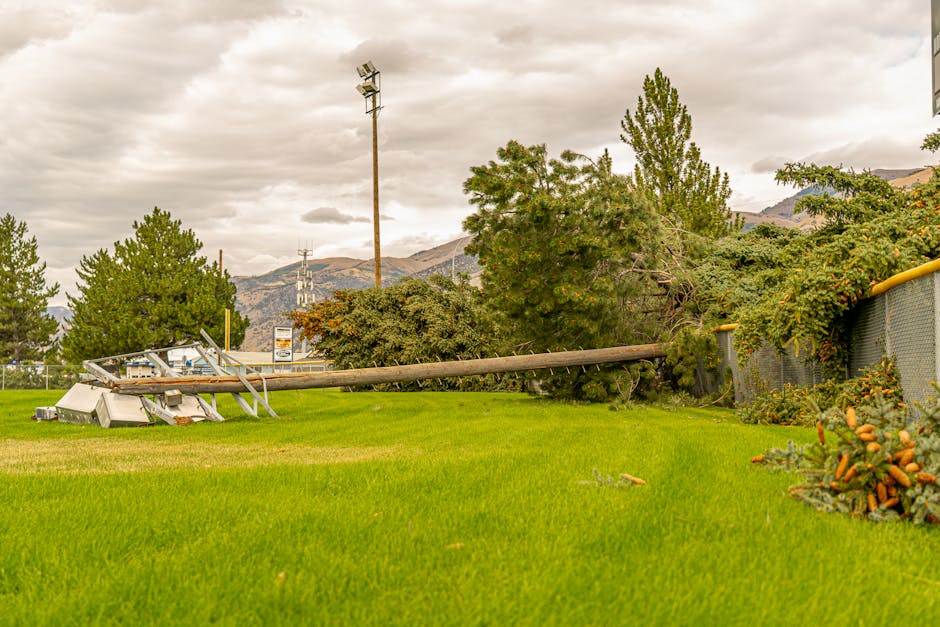
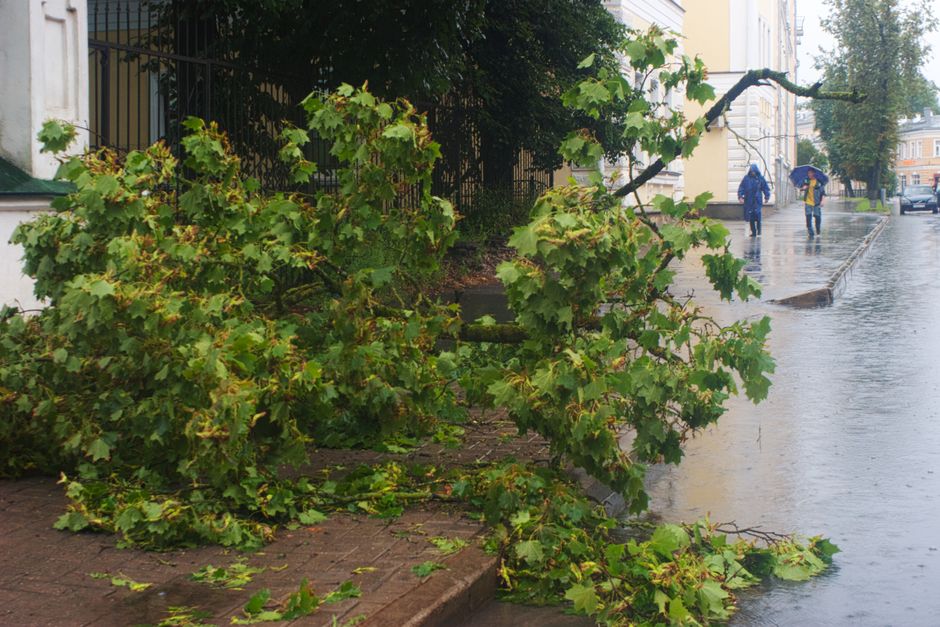
Imagine a typical post-storm morning in Wallington. Overnight wind has pushed a fence panel loose, dropped a few large branches across a lawn, and scattered bits of evergreen around the patio. The gate still works, but only just. There is also a leaning shrub at the edge of a border, and one side of the garden feels messy enough that nobody wants to step through it.
In that kind of situation, the first job is not to replace everything. It is to clear the access route and remove the most unstable material. The gardener may cut up fallen branches, separate anything reusable from waste, and stabilise the fence so it does not swing or fall further. If a post has failed, a temporary brace or removal of the loose section may be the safest short-term answer. Then, once the area is controlled, a proper repair plan can follow.
That staged approach usually feels calmer for the homeowner. Instead of seeing one huge project, they can see progress: the path opens, the hazard disappears, the patio becomes usable again, and the bigger repair gets scheduled sensibly. A week later, the space may not be perfect, but it is back under control. Which, after a storm, is often exactly what people need.
In many cases, the follow-up work might include patio cleaning to remove mud and leaf staining, or landscape gardening if borders or features were disrupted. If the storm also damaged a decked area or nearby edge detailing, a provider that offers decking services can be especially useful. Storms, annoyingly, have a way of revealing the next job before you expected it.
Practical Checklist
Use this checklist if you are dealing with storm damage right now or want to be ready for the next windy spell.
- Check the garden from a safe distance before stepping in
- Look for hanging branches, loose panels, or unstable posts
- Keep children and pets away from damaged areas
- Take a few photos if they help you explain the issue
- Clear only what is safe to move by hand
- Ask for make-safe work first if hazards remain
- Confirm whether waste removal is included
- Ask if the team can handle follow-on repairs or specialist referrals
- Review insurance, safety, payment, and terms if the job is more involved
- Book maintenance afterward so the garden recovers properly
Quick takeaway: the smartest storm response is not the fastest-looking one. It is the one that reduces risk, restores access, and leaves the garden in a better condition than before the weather turned.
If you want to discuss a damaged garden, clarify the urgency, or arrange a practical next step, start with a trusted local team and keep the conversation simple. The right help should make things feel less chaotic, not more.
Get a free quote today and see how much you can save.
Conclusion
Storm damage in a garden can be unsettling, especially when it comes with noise, mess, and the sense that something needs attention now. The good news is that most situations can be handled calmly with the right order of operations: make safe, clear access, repair the important bits, and then tidy up properly. That is the heart of reliable Emergency storm garden repairs Wallington fast response gardeners support.
Whether the issue is a broken fence, scattered branches, damaged planting, or a patio that has taken a beating, the right response is practical and measured. Not flashy. Not rushed. Just steady, competent work that puts the garden back on its feet. And if the weather has shown you a few weak spots, that is useful information too. A bit annoying, yes, but useful.
With sensible follow-up care and a team that understands both urgency and long-term garden health, you can turn a rough morning into a manageable plan. That's usually how the best recoveries begin.
Frequently Asked Questions
What counts as an emergency storm garden repair?
Anything that creates an immediate safety risk or blocks normal use of the garden can count as an emergency. Common examples include fallen branches, leaning fences, unstable posts, blocked access, and damaged structures that could worsen in the next gust of wind.
How fast can a fast response gardener get to me in Wallington?
Response times depend on workload, weather, and the nature of the damage. In urgent cases, a fast-response gardener will usually aim to assess the hazard as soon as possible and prioritise make-safe work first.
Should I clear storm debris myself before the gardener arrives?
Only clear what is obviously safe and light enough to move without strain. Avoid handling heavy branches, unstable fencing, or anything hanging overhead. If in doubt, leave it alone and wait for the visit.
What should I tell the gardener when I call?
Give a simple summary of the damage, mention any safety risks, say whether access is blocked, and note if there are children, pets, or shared boundaries involved. A photo can also help, if you have one.
Can storm damage include more than broken branches?
Yes. Storms often affect fences, gates, patios, decking, lawns, borders, sheds, and hedges. Sometimes the visible damage is just the tip of the problem, especially after heavy rain.
Do I need tree surgery or just general garden repair?
If the issue is mainly debris, light pruning, or surface damage, general repair may be enough. If a tree is split, unstable, or clearly compromised, specialist tree surgery or tree lopping and removal may be more appropriate.
Will the gardener only make the area safe, or fully repair it too?
That depends on the damage and the service agreed. Many emergency visits focus on safety and access first, then arrange follow-on repair or replacement work where needed.
How do I know if a fence needs repair or replacement?
If only a panel has come loose, repair may be enough. If posts are rotten, bases are unstable, or several sections have moved, replacement is often more sensible. A proper inspection usually settles this quickly.
Can a storm-damaged garden be cleaned up in one visit?
Sometimes, yes. Smaller incidents can often be cleared and made safe in a single visit. Bigger storms may need a staged approach, with emergency work first and restoration after that.
Is post-storm garden work expensive?
Costs vary with access, severity, materials, waste volume, and whether specialist work is needed. A clear quote is the best way to understand the likely cost before anything goes ahead.
What if my patio or decking is slippery after the storm?
Keep people off the area until it has been checked and cleaned. Mud, moss, leaves, and standing water can make surfaces surprisingly slippery. A careful patio cleaning or decking inspection can help bring the area back into safe use.
How can I reduce storm damage next time?
Regular maintenance helps a lot. Keep hedges trimmed, inspect fences, manage overgrown branches, and clear debris before windy weather if you can do so safely. Services such as garden maintenance and hedge trimming are useful preventative steps.
What is the best first step after a storm hits my garden?
Stay safe, do a quick visual check from a distance, and identify the most urgent hazards. Then contact a fast-response gardener who can prioritise the work properly. Calm first, then action. That order helps more than people think.