Sutton Council Garden Waste Rules: What Wallington Residents Must Follow
If you live in Wallington, garden waste can feel deceptively simple. Grass cuttings go here, hedge trimmings go there, and the rest somehow ends up becoming a small mountain by the fence. But Sutton Council garden waste rules what Wallington residents must follow are worth understanding properly, because the wrong bin, the wrong contents, or the wrong presentation can lead to missed collections and a lot of avoidable hassle.
This guide breaks the rules down in plain English. You'll learn what garden waste usually includes, what residents are typically expected to do, how to prepare green waste correctly, where people go wrong, and how to keep your outdoor space under control without creating extra work for yourself. If you're juggling regular upkeep too, it can also help to think about your wider routine alongside local garden maintenance in Wallington so the whole job feels more manageable.
Truth be told, most issues happen not because people are careless, but because garden waste rules are easy to skim and then forget. A few simple habits make all the difference.
Why Sutton Council garden waste rules what Wallington residents must follow Matters
Garden waste rules matter because they keep collections predictable, reduce contamination, and help the council process organic material in the right way. When garden waste is mixed with the wrong items, the whole load may be rejected or delayed. That can mean a smelly bin, a missed pickup, or a pile of clippings sitting outside longer than you wanted. Not ideal, especially when it's warm and everything starts to look a bit wilted by Friday afternoon.
For Wallington residents, the practical side matters just as much as the official one. Gardens here range from compact terraces to larger family plots, and the waste produced can vary a lot from one home to the next. A small lawn cut might be easy to manage, but hedge work, seasonal pruning, and storm debris quickly create more volume than most people expect.
There's also a simple sustainability point. Green waste is one of those materials that can often be handled efficiently when it is kept clean and sorted well. That's much easier to do if you know the rules before you start bagging everything up. If you're planning a bigger tidy-up, it helps to coordinate with services such as lawn mowing in Wallington or hedge trimming in Wallington so the waste you generate is easier to separate and store correctly.
Expert summary: The smartest approach is not to treat garden waste as an afterthought. Handle it as part of your regular garden routine, and the rules become much easier to follow.
How Sutton Council garden waste rules what Wallington residents must follow Works
At a practical level, garden waste rules usually focus on three things: what goes in the garden waste stream, how it is presented for collection, and what must not be mixed in. The exact setup can change over time, so residents should always check their current council instructions, but the general principles stay pretty consistent.
Most councils in London use some form of dedicated green waste collection or guidance for disposing of garden materials separately from general household rubbish. That may involve a garden waste bin, scheduled collection, specific bagging instructions, or limits on contamination. The key idea is straightforward: only suitable organic material should be included, and it should be clean enough for processing.
Typical garden waste includes:
- Grass cuttings
- Leaves and small twigs
- Weeds and plant cuttings
- Hedge trimmings
- Flowers and dead plants
- Prunings from shrubs and soft growth
Typical items that are usually not acceptable include:
- Soil and rubble
- Food waste
- Plastic pots, labels, and ties
- Large branches if they exceed the council's size limits
- Pet waste
- General household rubbish
The easiest way to think about it is this: if it grows in the garden and is clean, it may be acceptable; if it is manufactured, dirty, or mixed with household waste, it usually is not. Simple enough. But in real life, a half-used bag of compost with bits of old roots in it can cause confusion, so it pays to sort carefully.
For larger garden jobs, you may want to plan waste removal around the work itself. For example, if you are reshaping borders, clearing old shrubs, or refreshing tired outdoor areas, landscaping services in Wallington can help reduce the odds of ending up with mixed waste streams that are hard to sort later.
Key Benefits and Practical Advantages
Following the garden waste rules properly is not only about avoiding a problem. It also makes your whole routine smoother, cleaner, and less frustrating. That sounds obvious, but once you've had a bin rejected on a rainy Tuesday, you stop taking it for granted.
- Cleaner collections: Correctly sorted waste is more likely to be taken without issue.
- Less bin odour: Keeping garden waste separate helps reduce the unpleasant mix that can build up in general waste.
- Better garden hygiene: Regular removal of clippings, dead growth, and weeds keeps the garden looking cared for.
- Fewer pest concerns: Mixed waste can attract flies or other pests more easily.
- Better planning: Once you know what goes where, you can time pruning and mowing around collection days.
- More sustainable disposal: Clean green waste is easier to treat as a reusable organic resource rather than landfill-style rubbish.
There's also a cost-of-time benefit. If you sort everything once, properly, you don't spend the next afternoon re-bagging it in the drizzle. And let's be honest, no one wants to do that.
Residents who keep on top of routine tidying often find it simpler to coordinate with ongoing upkeep such as general gardening services in Wallington, particularly when the garden needs both maintenance and waste management together.
Who This Is For and When It Makes Sense
This guidance is relevant for just about anyone in Wallington with an outdoor space, but it especially matters if you:
- Have a front or back garden with regular mowing and pruning
- Are doing a seasonal clear-up in spring or autumn
- Have hedges, shrubs, or trees that generate heavy cuttings
- Use a council collection rather than private waste removal
- Are preparing a property for sale or rental and want the garden to look tidy
- Want to avoid repeat collection issues caused by contamination
It also makes sense if you're a landlord, homeowner, tenant, or someone managing a shared outdoor area. Shared spaces are where confusion tends to creep in. One person thinks the leaves are fine, another adds old compost bags, and before long the collection is no longer acceptable. You see the problem.
If your garden has reached that "needs a proper reset" stage, pair waste planning with practical work like routine garden maintenance and perhaps some tree surgery in Wallington if you are dealing with heavier branches or overgrown canopies.
Step-by-Step Guidance
Here's a straightforward way to stay on the right side of the rules and make collection day less stressful.
1. Sort the waste at the point of cut
Do not wait until the garden is fully finished. Separate grass, soft clippings, branches, and anything questionable as you work. That keeps contamination low and makes the cleanup feel less like a second job.
2. Remove non-organic items immediately
Take out plant ties, plastic labels, broken pots, and general rubbish before anything goes into the garden waste container. A few seconds now saves you from picking through a heap later.
3. Check the size and type of material
Some councils have rules about large branches, thick stems, or bulky roots. If in doubt, cut material down further or arrange a different disposal route. Large woody waste is the bit people tend to underestimate.
4. Store waste cleanly until collection
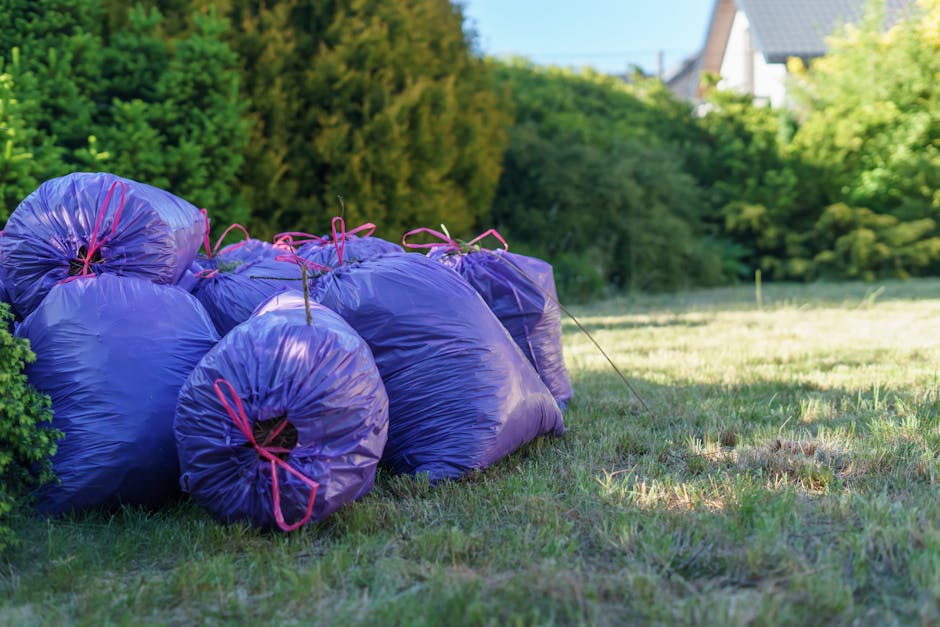
Keep your garden waste in the correct container or approved bags if required. If you are using temporary storage, place it somewhere sheltered and dry enough to avoid extra mess. Wet, compacted clippings are awkward to handle and can make bins heavy fast.
5. Put it out at the right time
Collection timing matters. Put waste out according to the council's schedule and presentation rules, not the night before if that is not allowed. Miss one detail and the whole thing becomes a nuisance.
6. Review what worked after each big tidy
After a major pruning session, ask yourself what created the most waste and what was easiest to sort. Small changes, like using a tarp or cutting hedge waste into smaller bundles, can make the next job far smoother.
If your outdoor clean-up also includes hard surfaces, a bit of planning helps. For instance, after a busy week of trimming and sweeping, a service like patio cleaning in Wallington can help restore the space once the green debris is gone.
Expert Tips for Better Results
A few habits make a disproportionate difference. These are the little things that separate a tidy, easy collection from a messy one.
- Cut waste down as you go: Smaller pieces are easier to store and less likely to create overfilled containers.
- Use a tarp or sheet: It keeps material together while you move it from beds to storage. Old-school, yes. Effective, absolutely.
- Keep an eye on moisture: Wet grass clippings can compact quickly and smell sooner than you expect.
- Separate woody and soft waste: Even if both are "green," they behave differently and may need different handling.
- Don't mix soil into the pile: Soil is one of the most common reasons green waste gets rejected.
- Plan heavy tasks around collection dates: If you're pruning a hedge or clearing borders, timing matters a lot.
A sensible garden routine often includes more than waste disposal alone. If hedging, shaping, or seasonal growth is part of the picture, it can help to stay ahead with hedge trimming support and lawn care in Wallington so waste volumes stay predictable instead of becoming overwhelming.
One small but useful tip: keep a dedicated bin corner or bag station. It sounds fussy until you try it, and then suddenly you wonder why you didn't do it sooner.
Common Mistakes to Avoid
Most problems are avoidable. The following mistakes are the ones that typically catch people out.
- Mixing in general rubbish: Even a little contamination can create trouble.
- Including too much soil or compost: This is a frequent slip after planting or border work.
- Leaving waste loose in the rain: It gets heavier, soggier, and harder to manage.
- Putting out the wrong container: If the council expects a specific bin or bag type, use it.
- Overfilling: A stuffed container can be difficult to collect and may be left behind.
- Forgetting seasonal changes: Autumn leaves and spring clear-outs can quickly overwhelm your normal routine.
Another common issue is underestimating tree and shrub waste. A small pruning session can snowball into a huge pile before you know it. That's often the moment people wish they had booked proper help earlier, perhaps alongside tree surgery or broader garden services in Wallington.
And yes, there's always that one black bin bag tucked under the hedge. Try not to be that person.
Tools, Resources and Recommendations
You do not need a fancy setup to stay compliant, just the right practical tools. A few basic items can make the whole process calmer and faster.
| Tool or item | Why it helps | Best use |
|---|---|---|
| Garden waste bin or approved bags | Keeps waste separated and easy to present | Routine clippings, leaves, and pruning |
| Tarpaulin or heavy-duty sheet | Makes moving waste cleaner and faster | Large cutbacks and border clearances |
| Hand shears or loppers | Reduce bulky material to manageable sizes | Hedges, stems, and shrubs |
| Rake and broom | Helps gather loose material before bagging | Leaves, grass, and fine debris |
| Wheelbarrow or trug | Useful for moving waste without repeated lifting | Bulk collection from back garden to storage |
For gardens that need more than simple clearance, a regular maintenance plan is often the most practical solution. If the space is also overgrown, patchy, or out of shape, a combination of landscaping, lawn mowing, and structured upkeep may keep waste volumes under control from the start.
For readers who like to improve the garden rather than just clear it, useful supporting topics include border design, planting choices, and low-maintenance layout ideas. That way, the next round of waste is smaller and the garden looks better for it.
Law, Compliance, Standards, or Best Practice
Garden waste disposal sits within local authority rules, so residents should follow the current Sutton Council guidance for collection methods, accepted materials, and presentation. Because council rules can change, it is always wiser to check the latest instructions before you put anything out. A common mistake is assuming last year's setup still applies exactly the same way today.
From a best-practice point of view, the safest habits are consistent across most UK councils:
- Keep green waste clean and uncontaminated
- Do not add soil, rubble, or household waste
- Use the correct container or collection method
- Keep branches and bulky items within any stated size limits
- Present waste on the correct day and in the correct place
If your own garden work creates unusually large amounts of waste, it may be more efficient to break the task into stages rather than trying to cram everything into one collection cycle. That is especially true after a hard pruning session or a big seasonal tidy.
There is also a simple neighbourly side to compliance. Keeping your waste tidy, contained, and scheduled reduces overspill, smells, and mess on shared streets. In a place like Wallington, where gardens can sit quite close together, that is not a small detail.
Options, Methods, or Comparison Table
There is more than one way to deal with garden waste. The right option depends on the volume, the type of material, and how much time you have. Here's a practical comparison.
| Method | Best for | Advantages | Limitations |
|---|---|---|---|
| Council garden waste collection | Routine clippings and seasonal tidy-ups | Convenient, predictable, usually best for regular upkeep | Must follow collection rules and accepted material guidance |
| Home composting | Leaves, soft cuttings, and manageable green waste | Reduces waste and supports the garden | Not suitable for all material; needs care and space |
| Private clearance support | Large clear-outs or mixed garden projects | Useful when waste volume is high or time is limited | Needs scheduling and usually costs more than standard collection |
| Staged DIY disposal | Smaller gardens or gradual pruning | Flexible and low-pressure | Can take longer and may not suit bulky waste |
For many Wallington households, the sweet spot is a mix of regular council collection and good garden habits. Then, when there's a bigger project, you bring in help from a local team such as garden maintenance specialists rather than trying to wrestle everything yourself over one very long weekend.
Case Study or Real-World Example
Imagine a typical Wallington back garden in early autumn. The lawn needs cutting, the hedge has shot up, a few shrubs have become leggy, and there are leaves everywhere. The owner starts well enough, then realises the waste pile is growing faster than the actual progress.
Instead of mixing everything together, they split the job into three piles: soft clippings, hedge trimmings, and woody branches. They remove the plastic ties from the hedge first, keep soil out of the waste, and store everything in the correct container. A day later, the collection goes out neatly, with no awkward surprises. The garden looks better, the bins are manageable, and there's no last-minute panic.
That example is simple, but it reflects what usually works best in real life. Planning by waste type is quicker than trying to sort a mountain after the fact. If the garden is also being redesigned, trimmed back, or refreshed, a broader service like gardening support can make the whole process feel much less chaotic.
A small observation from experience: the gardens that stay tidy are rarely the ones with the biggest effort once a year. They're the ones with small, repeated habits.
Practical Checklist
Use this before every major garden tidy-up or collection day.
- Check the current Sutton Council garden waste rules
- Separate green waste from household rubbish
- Remove plastic, string, labels, and pots
- Keep soil and rubble out of the pile
- Cut bulky waste into manageable pieces
- Use the correct bin, bags, or container
- Do not overfill the container
- Store waste neatly until collection
- Put it out at the correct time and place
- Plan larger pruning jobs around collection dates
If you are tackling several garden jobs at once, it can help to combine this with a quick review of your wider outdoor maintenance. For instance, hedge work, border clearing, and lawn care all create waste in different ways, and it's easier to stay organised when the whole garden plan is in sync.
Get a free quote today and see how much you can save.
Conclusion
Sutton Council garden waste rules what Wallington residents must follow are not especially complicated, but they do reward attention to detail. Keep garden waste clean, separate, and properly presented, and you will avoid most of the usual problems. Just as importantly, you will make your own garden routine easier to live with.
For Wallington residents, the best approach is steady rather than heroic. Little and often works better than one dramatic clear-out every few months. If you pair that habit with sensible upkeep, your garden stays healthier, your bins stay easier to manage, and the whole space feels calmer. Which, on a damp British afternoon, is no small thing.
And if your outdoor area needs more than a tidy-up, getting the right help at the right time can turn a messy job into something pleasantly straightforward. That's the real win.
Frequently Asked Questions
What counts as garden waste for Sutton Council collections?
Garden waste usually includes grass cuttings, leaves, hedge trimmings, small twigs, weeds, and dead plants. It should be clean and free from household rubbish, plastic, soil, and rubble.
Can I put soil in my garden waste bin?
Usually not. Soil is one of the most common materials that causes problems because it can contaminate the collection. Keep soil separate unless the council's current guidance says otherwise.
Are large branches allowed in garden waste collections?
Only if they meet the council's size or presentation rules. Large woody material often needs to be cut down first or handled through a different disposal route.
Can I mix hedge trimmings with grass cuttings?
In many cases, yes, if both are clean green waste. That said, it is still smart to keep very wet grass and bulkier hedge material separate where possible so the bin does not become a heavy, compacted mess.
Do I need to remove plastic ties and labels before disposal?
Yes. Anything non-organic should be removed before the waste goes into the bin or bag. Tiny bits of plastic are easy to miss, which is why a quick final check helps.
What happens if my garden waste is contaminated?
The collection may be left behind, rejected, or treated as non-compliant. In practical terms, that means you may need to sort it out and wait for the next collection cycle.
How should I store garden waste before collection day?
Store it in the correct container, bin, or approved bag, and keep it as dry and tidy as you can. Wet clippings can compact quickly and become much harder to manage.
Is it better to compost at home or use council collection?
Both can work well. Composting is useful for softer waste and helps feed the garden, while council collection is better when you have more material or do not want to manage composting yourself.
What is the biggest mistake Wallington residents make with garden waste?
The biggest mistake is mixing too many different materials together. Soil, plastic, and household rubbish are the usual culprits. Once contamination starts, the whole pile becomes more awkward.
How can I reduce garden waste over time?
Use smaller, more frequent maintenance sessions, trim before growth gets out of hand, and plan planting with maintenance in mind. Good layout and regular care usually create less waste than a once-in-a-blue-moon overhaul.
Should I book help for a big garden clear-up?
If the job includes hedges, trees, borders, and hard surfaces all at once, booking help can save time and reduce the amount of waste you have to manage alone. It is often worth it for bigger seasonal jobs.
Where can I get help with ongoing garden upkeep in Wallington?
If you want a more manageable garden routine, local support for mowing, maintenance, hedge work, landscaping, and related tasks can make compliance easier too, because the waste is produced in a cleaner, more controlled way.